








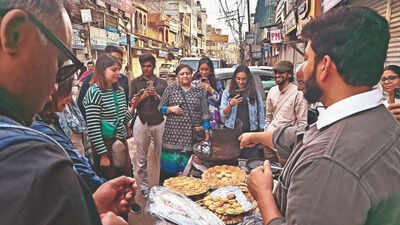
“What is the flavour that describes Delhi food?” Chef Sadaf Hussain asked a group making its way through the lanes of Purani Dilli on a recent Sunday morning. They answered in a heartbeat: chatpata, achaari, masaledaar. Winter is here, and with it comes food walk season – an open invitation to explore the city’s flavours and stories on foot.‘What makes the experience valuable is the stories and the anecdotes’One such walk, titled Purani Dilli ke Subah ke Pakwan, led by Sadaf in collaboration with Tales of City, explored the other side of the walled city’s table: its vegetarian breakfasts, the food traditions kept alive by its Hindu communities, and the stories behind the stops.
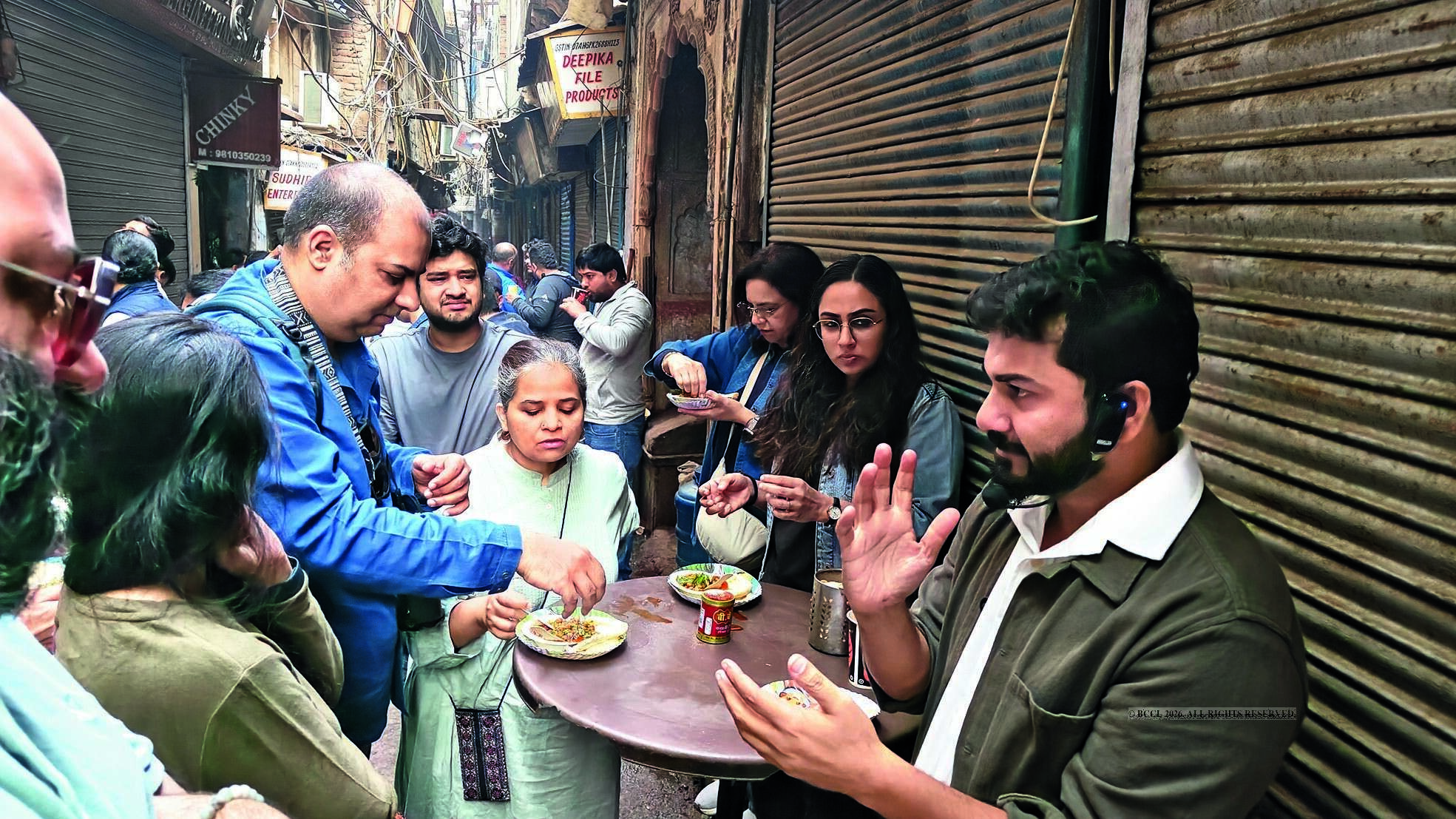
Beginning at Jama Masjid Gate No 3, the Purani Dilli Ke Subha Ke Pakwan walk moved through Chawri Bazaar and Sitaram Bazaar, stopping for chhole kulche, bedmi poori, nagori halwa, daulat ki chaat, naan khatai, and fruit kulfi
Every stop on a food walk uncovers a hidden layer of the city – from the locals who bring the streets to life and multi-generational specialty shops to the neighbourhood’s overlooked architecture. “It is not the food that you’re paying for. Khaana toh aap Purani Dilli ki galiyon mein kabhi bhi kha sakte ho. What makes the experience valuable is the stories and the anecdotes,” Sadaf told the group explaining the various textures and recipes behind Delhi’s most beloved delicacies.
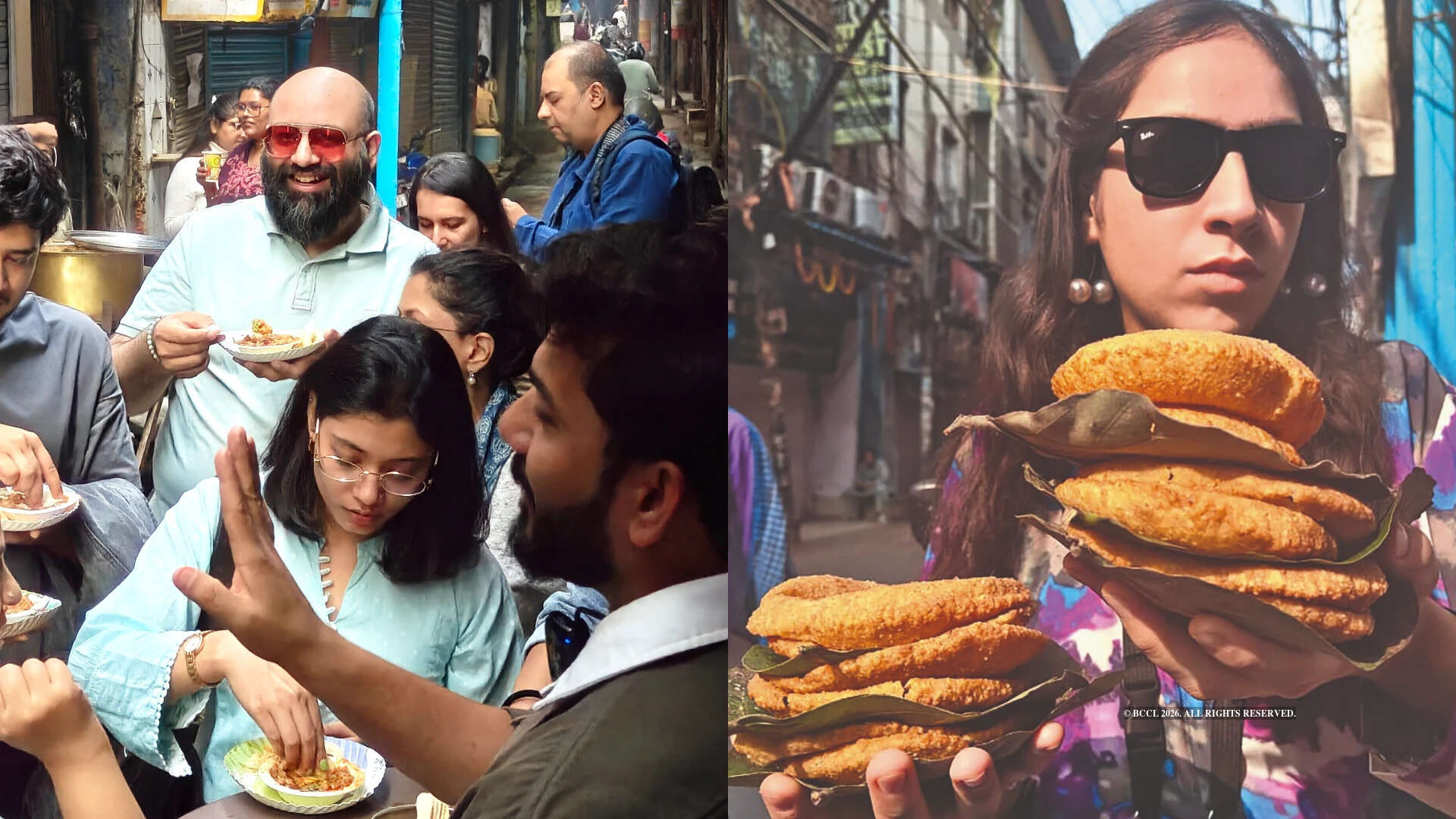
Food walks in winter are a seasonal experience, combining cool weather for walking with rich, slow-cooked dishes and winter-only delicacies
During Sadaf’s walk, Aashna Chaudhry, an interior designer, shared, “I still believe and stick to my reaction that Dilli ke khana ka USP is that it is chatpata. Apart from food, I noticed how the architecture and materials changed from the Jama Masjid area to Sitaram Bazaar, and how the motifs on the facades shifted.”“I have come to Dilli 6 so many times, but every visit is unique. The storytelling around food is the most interesting bit,” said Shaheen Muhammed, a Mumbai-based filmmaker who joined a walk to experience Purani Dilli through its food‘Delhi’s culinary map is as fascinating as its history; it doesn’t have a single culinary identity’Walk curator Nakul Chhabra of History Beyond Books, who is set to host a food walk in Purani Dilli, says, “I want people to enjoy the vibe amid the chaos of Old Delhi. The vibe is often inseparable from the food. A lane can lead to a generations-old shop, a dish can point to a community, and a familiar market can reveal a different side when someone explains what stood there before. The idea is not simply to eat at more places, but to understand the city through the places where people eat.”
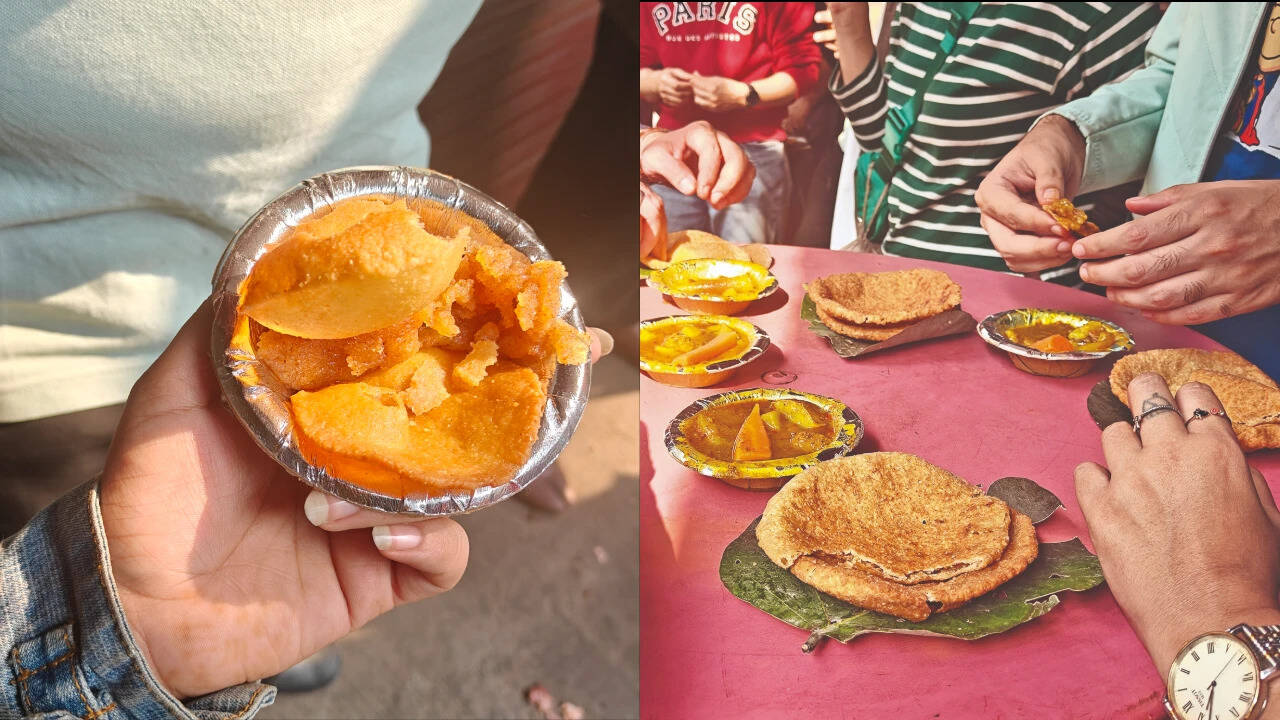
Winter brings out special preparations like daulat ki chaat, chhole kulche and gajar ka halwa
Abhishek Bhasin, of Namastey Culture puts it succinctly, “Delhi does not have a single culinary identity. Its food reflects centuries of migration and the communities that have made the city their home. Its culinary map is as fascinating as its historical map. Food walks need not be restricted to street food. Breakfast trails, specialty coffee crawls, dessert walks and Partition-inspired culinary journeys offer interesting alternatives. Sharing food with strangers creates space for conversations and connections.”‘The weather in winter creates an appetite for good food’For walk leader and baker Saleha, the diversity is best understood on foot. “Delhi’s food scene is so diverse that it’ll easily take a year to cover it all. This is the best time to begin. I suggest people explore the city they live in as tourists, and for that, walking on the streets is very important because food changes after every 100 metres and is often characterised by the people who live there,” she says. Her Lajpat Nagar walks explore Afghan food through restaurants where, she points out, the waiters, cooks and cashiers are often Afghan. Winter, she adds, makes the experience even more enjoyable. “The weather creates an appetite for good food, so the stomach and the heart always welcome it.” Rohan Monga, who co-curates the food walks at Namastey Culture, says, “Winter is particularly rewarding for food walks, with pleasant weather and seasonal favourites like daulat ki chaat, kali gajar ki kanji, gajar ka halwa and pinnis. While Old Delhi is the obvious starting point, there is much more to discover.”A neighbourhood for every palateChawri Bazaar and Chandni Chowk: A vegetarian trail of bedmi poori, nagori halwa, matar kachori, chaat, jalebis and daulat ki chaatJama Masjid and Matia Mahal: Nihari, paya, seekh kebabs, mutton korma, khameeri roti and shahi tukdaKamla Nagar: Chole bhature, poori aloo, bread pakoras, samosas and chaat, steeped in university nostalgiaMajnu Ka Tila: Tibetan flavours through thukpa, laphing, momos, tingmo and teaHumayunpur: Northeast Indian cuisines beyond momos, with smoked meats, fermented ingredients, bamboo shoots and regional thalisChittaranjan Park: Bengali fish fry, chops, kochuri, ghugni and seasonal nolen gur sweetsLajpat Nagar: Punjabi, Sindhi and Afghan traditions, from dal pakwan to Kabuli pulao, mantu and Afghan breadsTilak Nagar: Punjab’s culinary legacy, with Amritsari kulchas with chhole and tandoori delicaciesNizamuddin Basti: An intersection of food, faith, heritage and architectureConnaught Place: Iconic restaurants, traditional bakeries and old-school coffee houses(suggestions of food trails by Namastey Culture)