





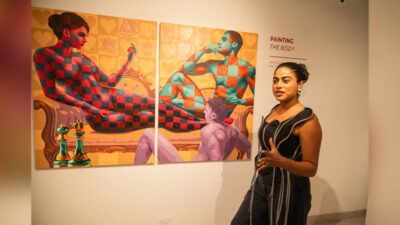
What happens when ceramics, textiles, photography, architecture and word art share the same space? At Gujral House, Material Matters brings together around 100 artists across eight rooms, using the historic family home as more than a backdrop. Curated by Alaiia Gujral and presented by Artdemic, the exhibition opens a conversation on how art and ideas move between materials, disciplines and ways of making.Built through an open call that received around 600 submissions, the exhibition brings together artists at different stages of their practices.
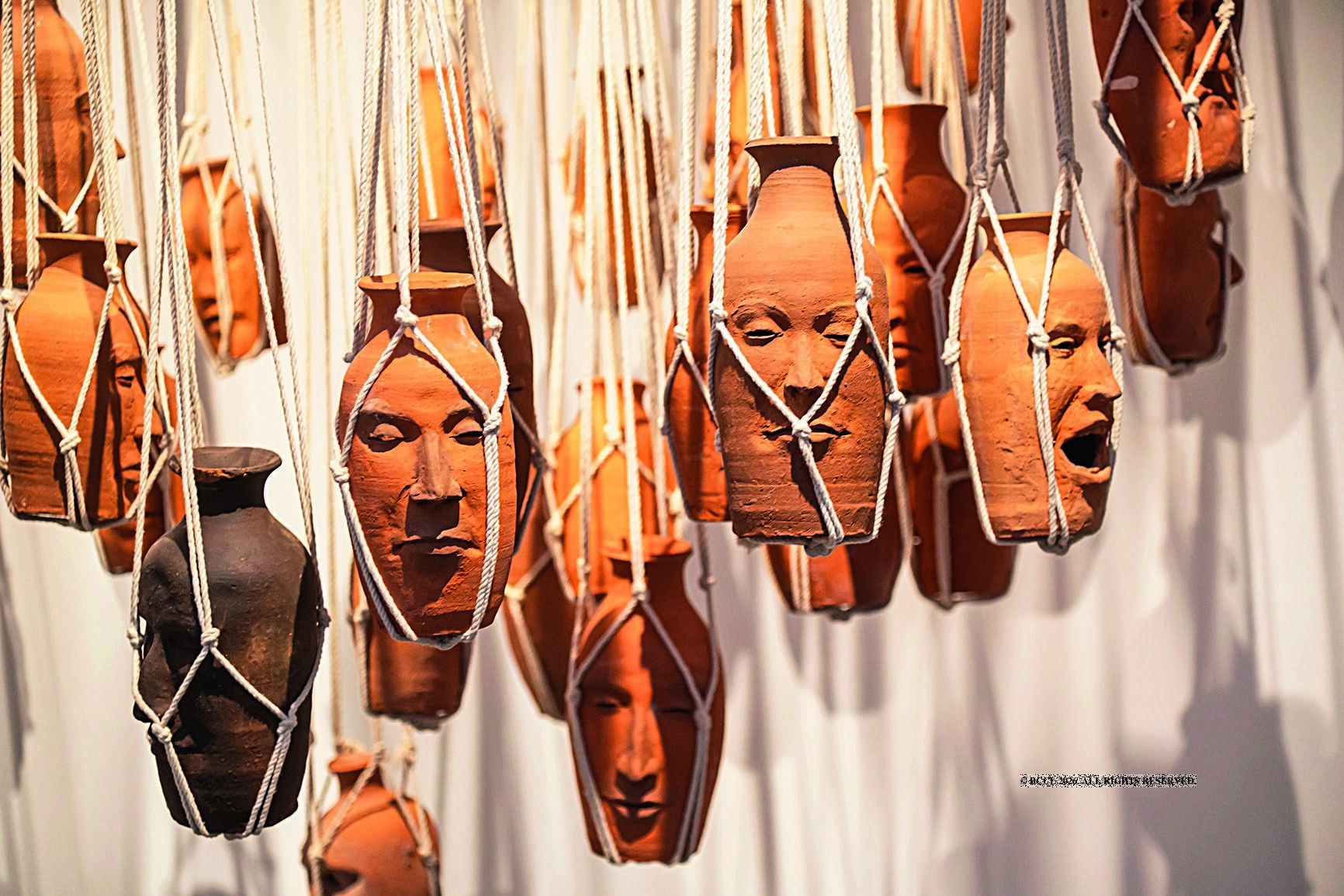
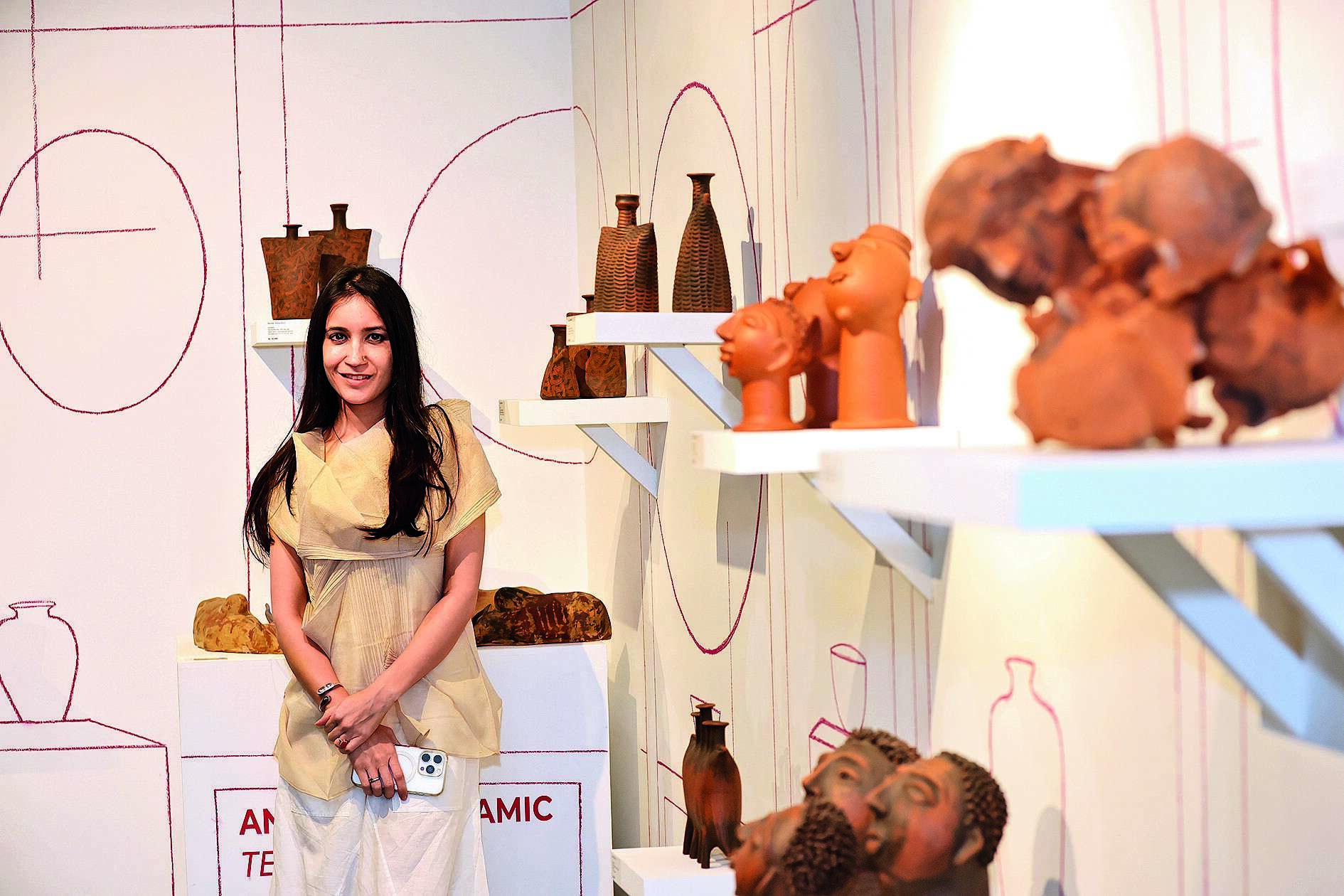
Subhendu Mondal’s sculptural vessels with human faces explore memory, emotion, fear and resilience
‘Material is not just a basis to create something’The textile works draw on India’s rich craft traditions while pushing them into contemporary contexts. The architecture room brings together sketches, mappings and artistic interpretations of traditional ways of living and Indian architecture. In the photography room, analogue and mixed-media practices come together, with photographic processes intersecting with embroidery and other forms of intervention.
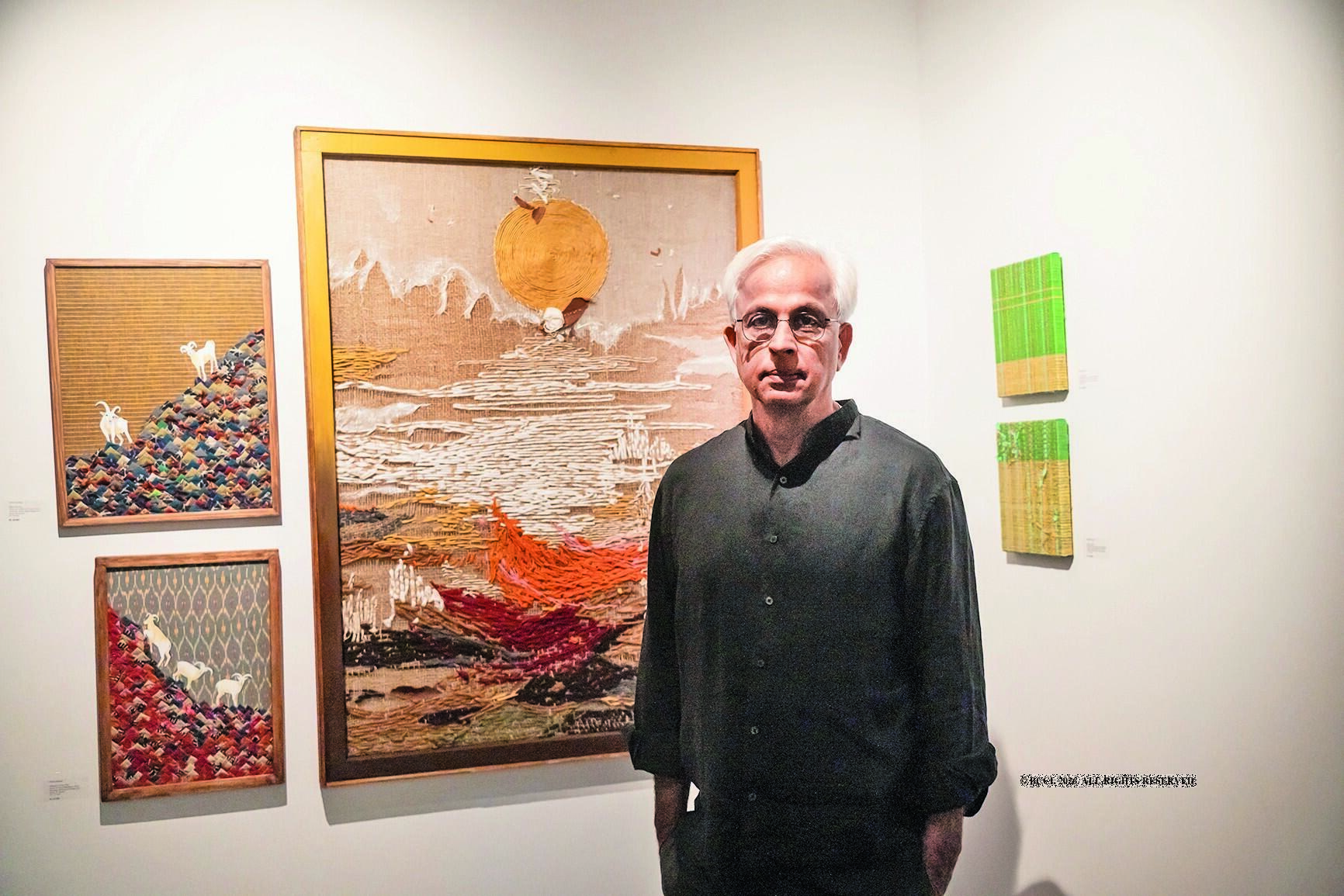
Mohit Gujral
Ceramics and terracotta occupy another room, while the sculpture section places artworks alongside raw materials instead of relying entirely on conventional gallery pedestals. Throughout, the exhibition asks viewers to look beyond the finished object and consider the material and knowledge behind it.“Material is not just a basis to create something. It has history. There’s so much culture, there’s so much knowledge behind it,” says Alaiia.
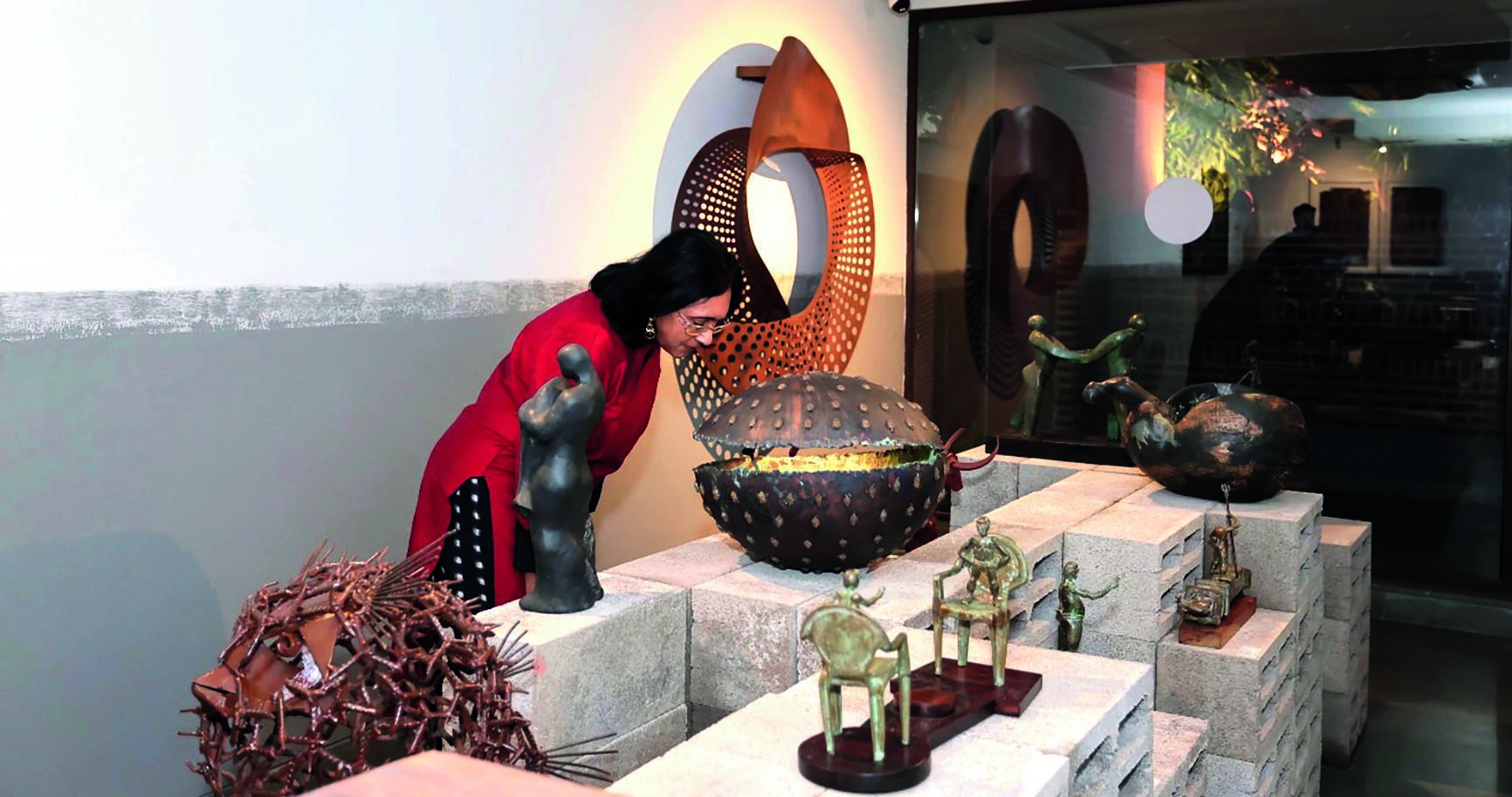
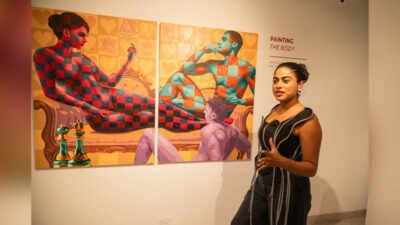
A visitor looking at Vishal Raju Narawade’s Peace on Earth, which brings together forms inspired by South Indian temple carvings and Tibetan Buddhist sculpture
‘Art is about expressing life’The exhibition also reflects the growing movement towards interdisciplinary practice, with artists combining techniques and materials rather than staying within one medium.
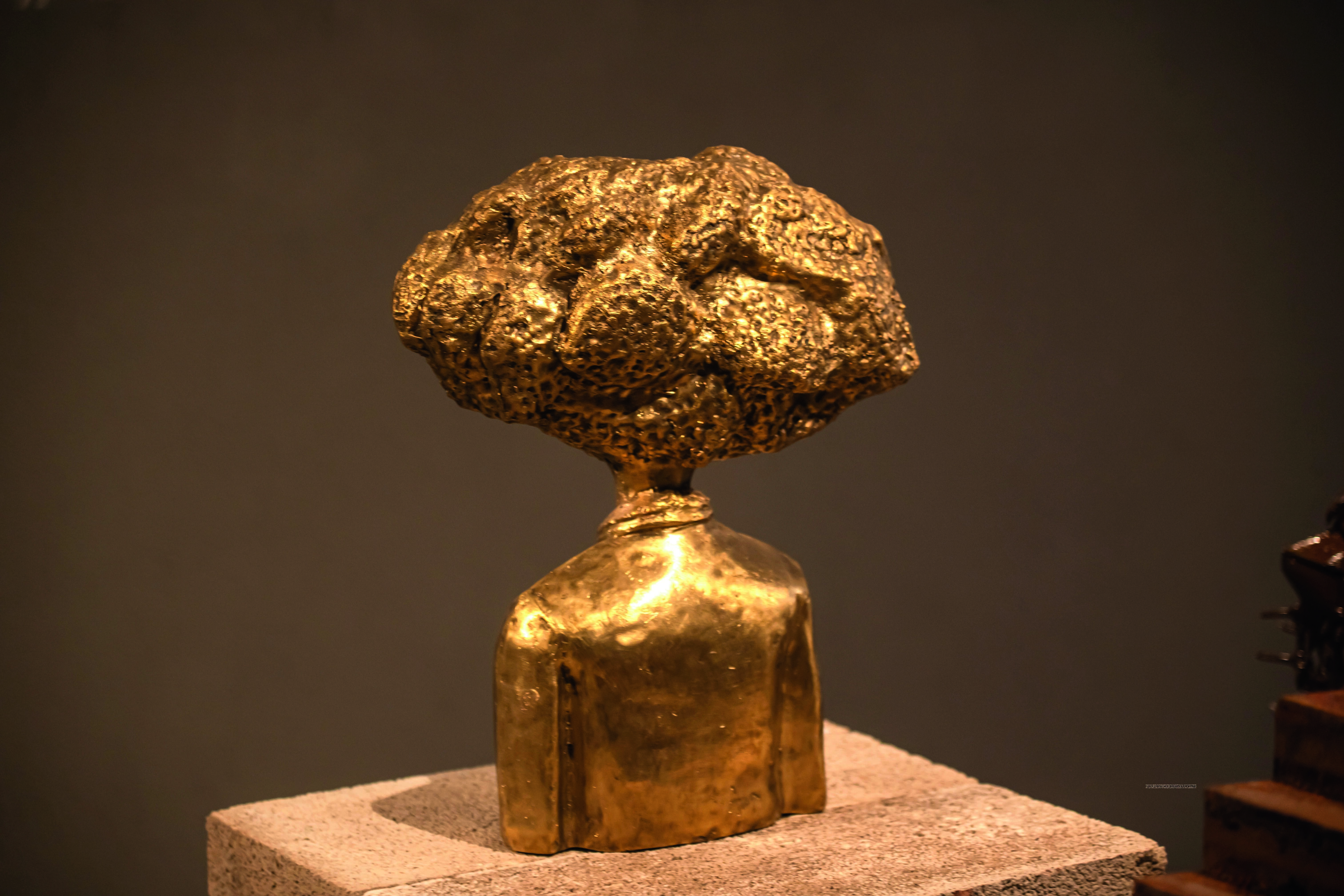
In Darshan Reddy’s Into the Distance, a human figure in clay and metal intersect with cloud-like forms, balancing permanence and change
Alaiia says her grandfather Satish Gujral’s approach influenced her willingness to experiment. “I’ve always never been afraid of changing my practice or being interdisciplinary because he was. And he always told me art is about expressing life and it’s not about making art for somebody.”
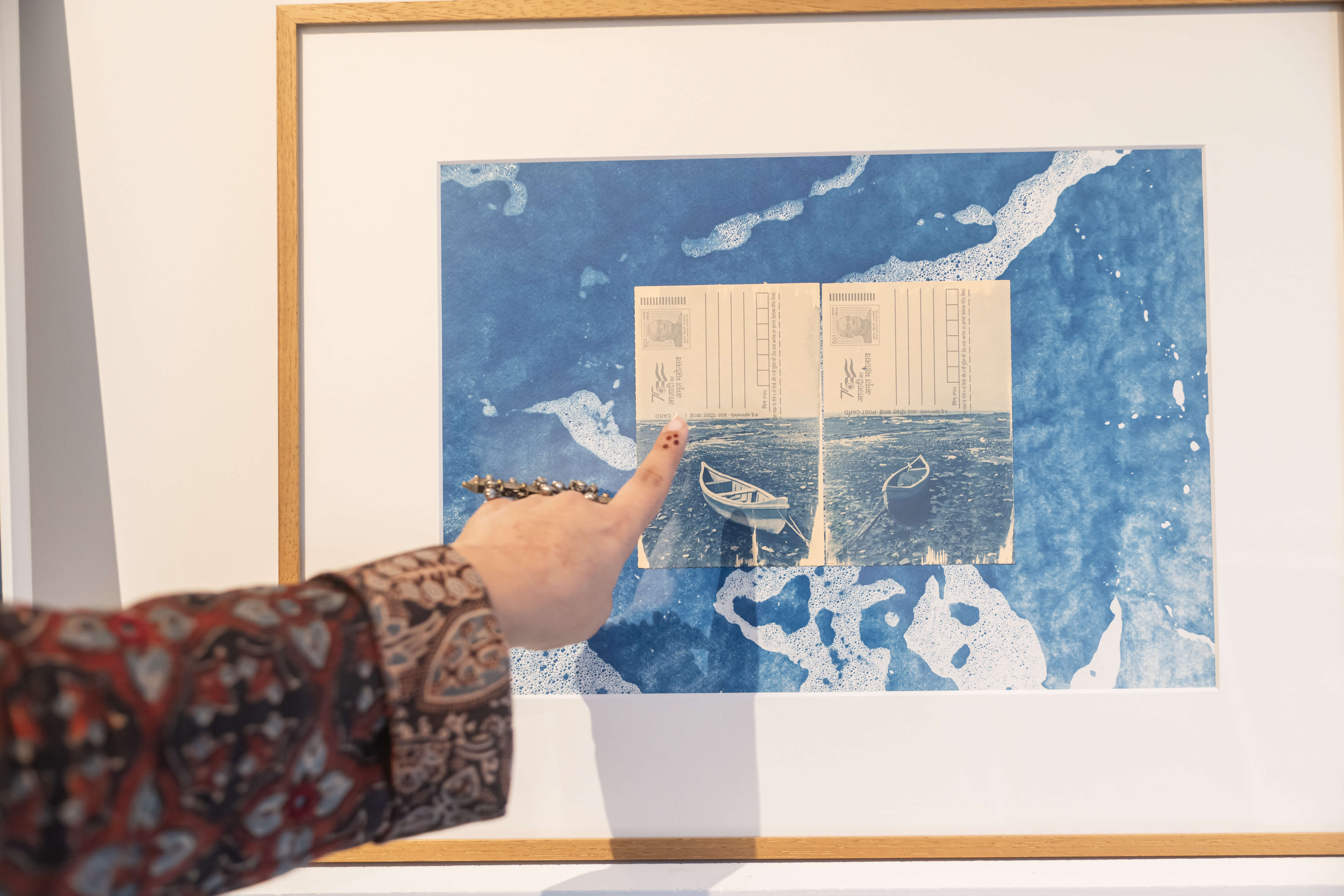
Ruchita Madhok’s Postcard from Carter Road, a cyanotype on government-issued postcards
The house itself adds another layer. Its existing exposed brick exteriors, its architecture and domestic character have been incorporated into the curation, with raw materials such as bricks used instead of conventional display platforms.‘The idea is to create a space for cultural exchange’For Alaiia, the exhibition is also about building an ecosystem around emerging artists and creating an audience for their work. She sees younger buyers becoming increasingly interested in contemporary art and collectible design, developing tastes distinct from previous generations.
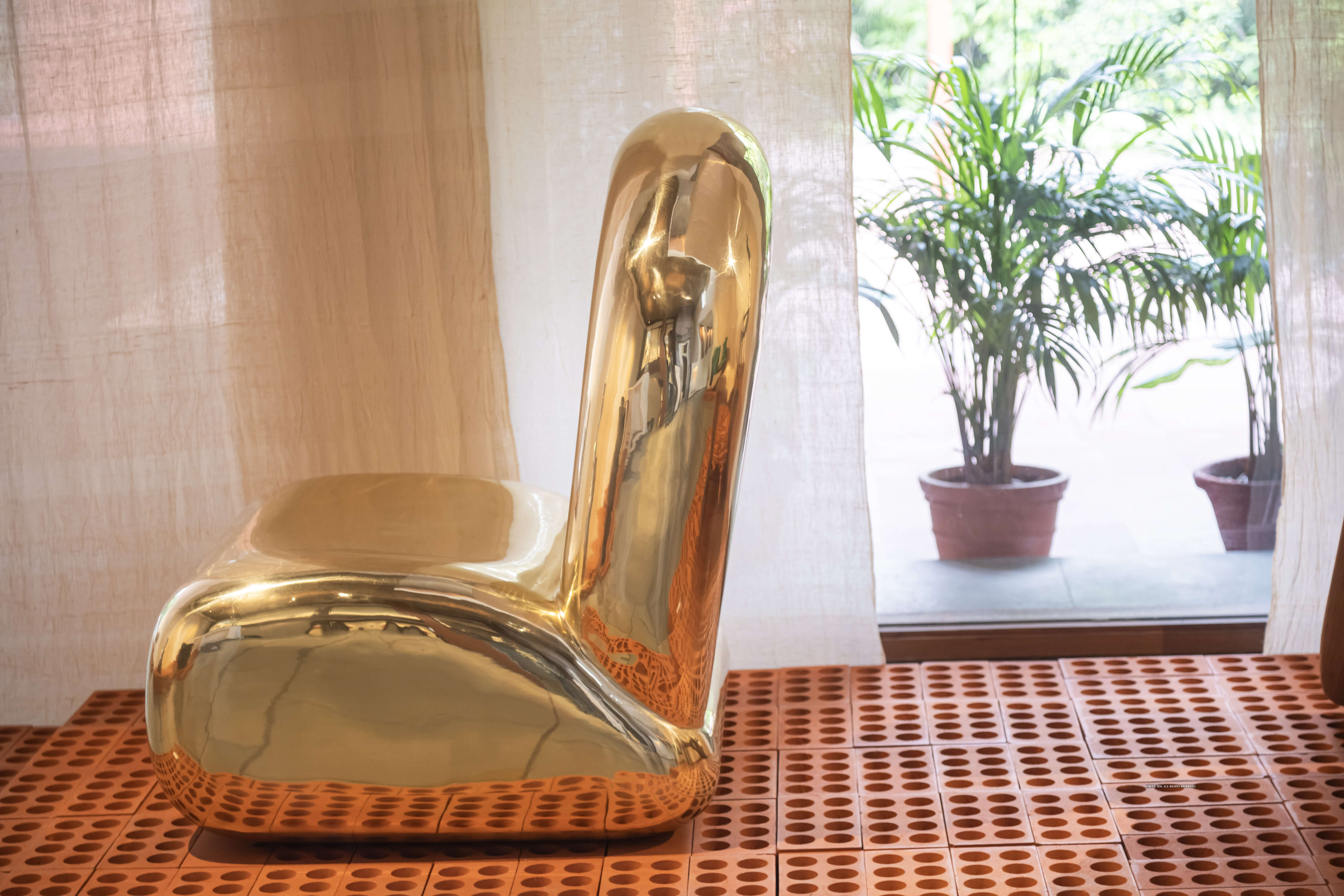
Bricks were used instead of conventional display platforms
“It’s not just for the artists, but also cultivating the people who are going to come by to view this art, and that’s how you create cultural change,” she says. Feroze Gujral, director of The Gujral Foundation, adds, “I’m seeing this huge renewal of craft, and I’m very happy to see it because it balances out the high ground of just art. I like that we artists are approaching all materials in a democratic way.”
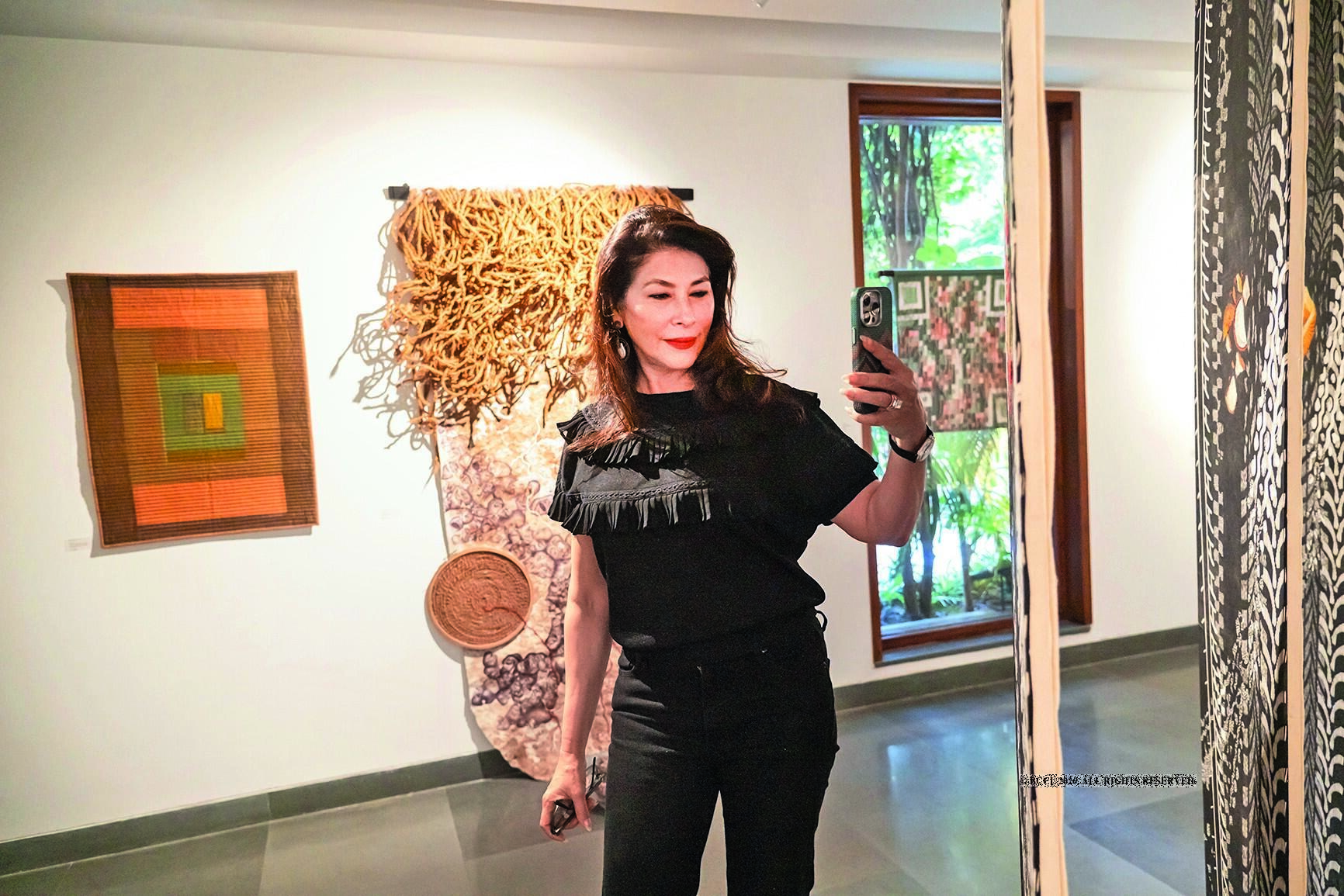
Feroze Gujral took a selfie with N Farman Ansari’s installation, which uses objects sourced from Delhi’s vendors to reflect the lives of migrant families
For the curator, the future of Indian art lies not in choosing between tradition and experimentation, or artist and curator, but in allowing them to coexist. “The more curation you do, the more you learn about what people are doing, and that feeds your own work and your own train of thought. So, I think being an artist and a curator go hand in hand for me.”
Shivani Varma
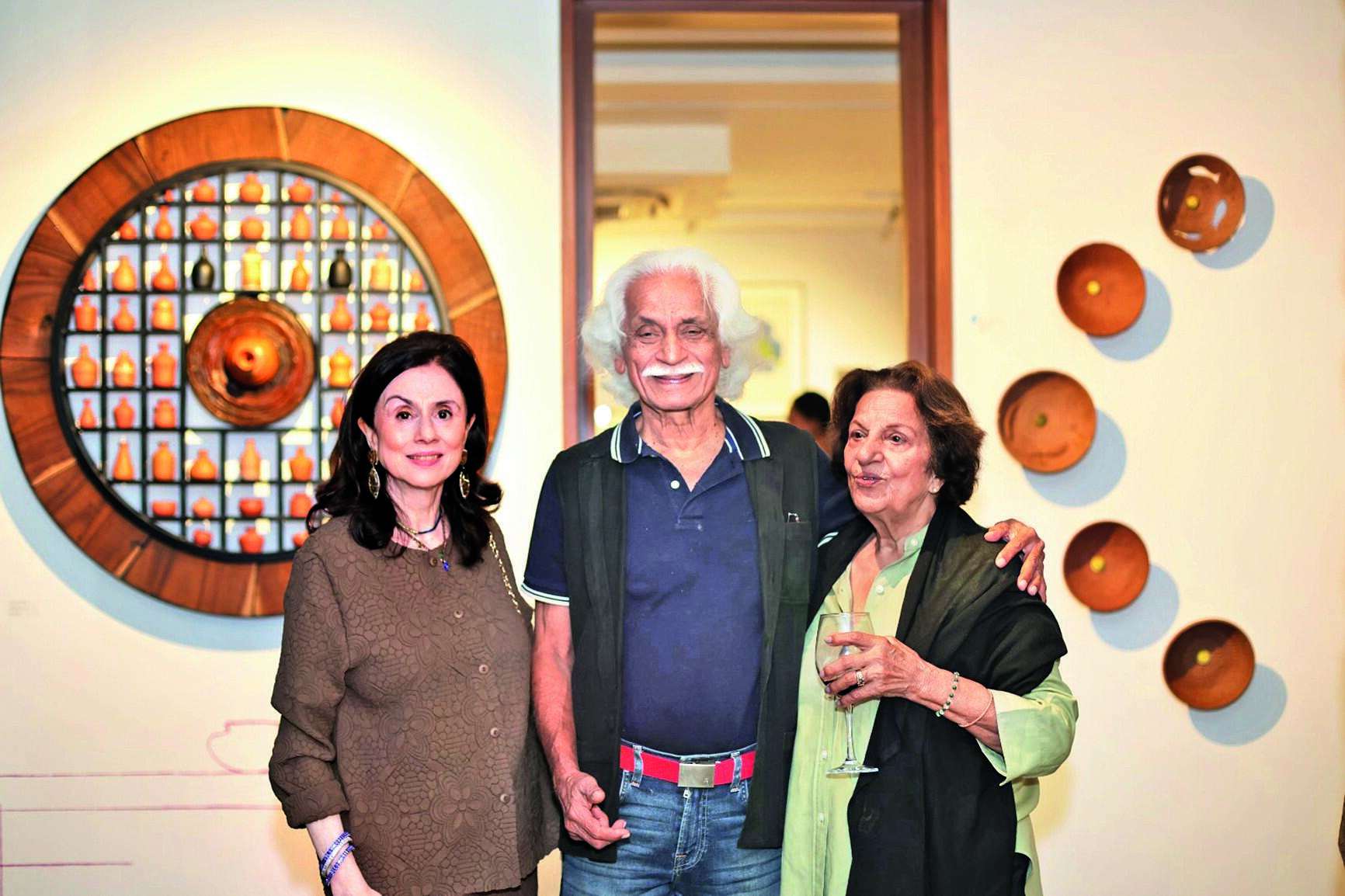
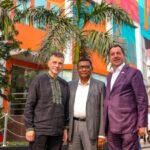
Alpana Gujral with the guests