









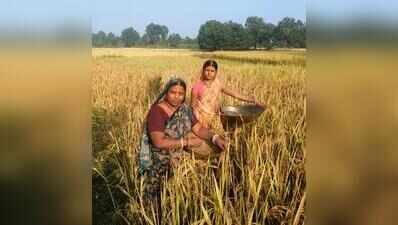
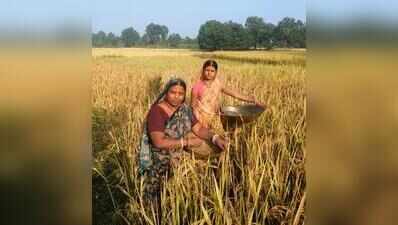
Hazaribag: At a time when modern lifestyles are distancing people from traditional practices, a centuries-old Chhath Puja custom continues to thrive in rural Hazaribag and other districts of Jharkhand. In Tatijharia block, women, who observe Chhath fast, visit paddy fields to collect ripe stalks and bring them home to prepare rice for the sacred Kharna prasad, the kheer prepared on the festival’s second day.While urban families increasingly depend on ready-made products from markets, the rural devotees continue to follow age-old practices with faith. Instead of buying rice from shops, they collect paddy from fields and process it at home through traditional methods, maintaining the purity and sanctity of the festival. The process is laborious, but an essential part of worship for the devotees.Local Nagina Devi said, “The paddy used for this preparation ripens earlier than ordinary paddy. Women observing the fast collect the ripe stalks from the fields and bring them home. The paddy is first dried in sunlight and then pounded using traditional methods to separate the rice grains. The rice is then used to prepare Kharna kheer. The work requires physical effort, patience and special care to ensure cleanliness and purity.”Savita Devi, a resident of Dumur village in Tatijharia block, said, “The tradition of preparing Kharna prasad with rice collected and prepared at home has been followed in my family from generations. This year too, I visited the fields to collect paddy and continued the practice with devotion. The custom is not merely a religious ritual but also a way of preserving values and traditions passed down by earlier generations.”The Kharna kheer, prepared with homemade rice, cow’s milk and jaggery, is offered to Chhathi Maiya as part of the sacred observance. Retired teacher and octogenarian Shankar Mahto said, ”The practice reflects the deep connection between rural life, nature, faith and ancestral traditions. Rural women are keeping this valuable heritage alive through devotion and sustained effort when many customs are disappearing amid changing lifestyles.”